Health and Safety Policy for Gardeners Walworth
 Gardeners Walworth is committed to maintaining a safe, healthy, and responsible working environment for every gardening task we carry out. This health and safety policy sets out the principles that guide our day-to-day work, from routine garden maintenance to larger outdoor projects. Our aim is to protect workers, clients, visitors, and members of the public from avoidable harm while ensuring that every service is delivered with care and professionalism.
We recognise that gardening work can involve a range of hazards, including use of sharp tools, moving machinery, lifting, chemicals, uneven ground, weather exposure, and biological risks such as allergens, insects, or waste materials. For that reason, Gardeners in Walworth follow a practical, task-based approach to safety. This means that every job is assessed before work begins so that suitable precautions can be applied and risks reduced wherever reasonably possible.
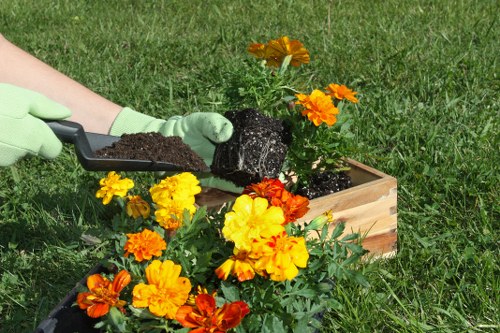 The purpose of this policy is not only to prevent accidents, but also to create a working culture in which safety is considered part of quality service. A well-managed site is usually a safer site, and a safer site allows gardening work to be completed more efficiently and to a higher standard. Whether the task involves pruning, hedge cutting, lawn care, planting, soil improvement, or clearing green waste, our team is expected to work in a careful, informed, and controlled manner.
Core Safety Principles
Our approach to health and safety is based on a few essential principles. First, hazards must be identified before work starts. Second, risks must be reduced by using the right tools, equipment, and working methods. Third, anyone carrying out gardening duties must be suitably trained or supervised. Finally, all activities must be reviewed so that lessons can be learned and standards improved over time.
We expect every member of the team to take personal responsibility for safe conduct. This includes wearing appropriate personal protective equipment, using tools as intended, reporting defects, avoiding unsafe shortcuts, and stopping work if conditions become dangerous. Safety always comes before speed, and no task should be continued if it would place people or property at unnecessary risk.
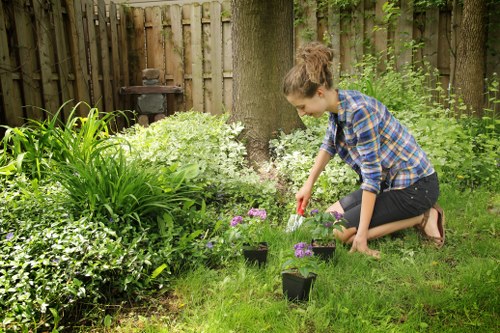 Another important principle is communication. Clear instructions, simple reporting procedures, and awareness of site conditions help prevent misunderstandings and accidents. If a surface is slippery, a tool is damaged, a plant is toxic, or access is restricted, that information must be shared promptly. Good communication is especially important when multiple people are working in the same garden or when work needs to be coordinated around residents, children, pets, or other site users.
Workplace Hazards and Controls
Many gardening tasks involve manual handling. Soil bags, waste sacks, containers, and equipment can be heavy or awkward to move. To reduce the chance of strain or injury, loads should be lifted with proper technique, broken into smaller units where possible, and moved using suitable aids when available. Repetitive tasks should also be managed carefully to avoid overuse injuries.
Tools and machinery must be inspected before use and kept in good working order. Blades, cords, fuel systems, guards, and switches should be checked regularly, and damaged equipment must not be used until repaired or replaced. Powered tools present additional risks, so only competent users should operate them. Safe storage, cleaning, and maintenance are also essential parts of our working routine.
Where pesticides, fertilisers, cleaning agents, or other substances are used, they must be handled in accordance with the relevant instructions and stored securely. Exposure should be minimised by using correct application methods, avoiding unnecessary contact, and ensuring containers are properly labelled. Natural hazards such as thorny plants, slippery surfaces, standing water, poor visibility, and hot or cold weather must also be considered as part of everyday site control.
Training, Competence, and Supervision
We believe that good training supports both safety and service quality. Team members are expected to understand the tasks they perform, the equipment they use, and the precautions required for each job. New staff or workers unfamiliar with a particular task should receive suitable instruction before working independently. Where the risk level is higher, closer supervision may be needed.
Training records, method notes, and internal guidance are used to help maintain consistent standards. These materials support safe working without turning this policy into a set of step-by-step guides. Instead, they help ensure that the right controls are applied at the right time and that workers can adapt their approach to different gardens, weather conditions, and access arrangements.
We also encourage a culture of continual improvement. If an incident, near miss, or repeated hazard is identified, the work method should be reviewed and adjusted. Learning from experience is essential in keeping Walworth garden services safe and reliable. This includes recognising when tasks should be paused, reassigned, or postponed because conditions are unsuitable.
Emergency Preparedness and Incident Reporting
Accidents can still happen, even when good precautions are in place. For that reason, we maintain a clear response process for injuries, equipment failures, spills, and other emergencies. Workers should know how to stop work safely, secure the area, and seek assistance when needed. First aid provision should be appropriate to the type of work being undertaken and the level of risk involved.
All incidents, hazards, and near misses must be reported and recorded so they can be reviewed properly. This allows patterns to be identified and helps prevent recurrence. Reports should include enough detail to understand what happened, what was being done at the time, and what action was taken afterwards. Accurate reporting is a key part of responsible garden maintenance safety.
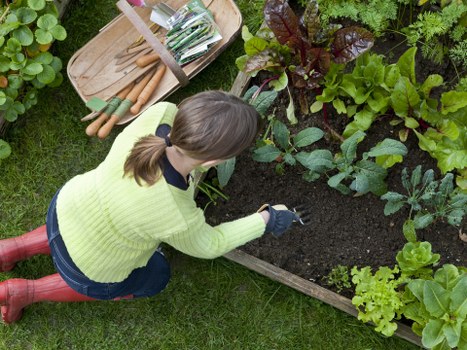 If a situation presents immediate danger, work must be stopped until it is safe to continue. This may include unstable structures, severe weather, aggressive pests, exposed electrical hazards, or unsafe access routes. In such cases, the priority is always the protection of people and property, not the completion of the task.
Review and Responsibility
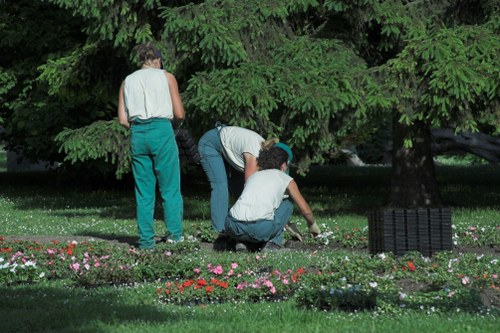 This policy applies to all activities carried out by Gardeners Walworth and should be followed by everyone involved in our work. Management is responsible for setting expectations, providing suitable resources, and ensuring that safe systems are maintained. Workers are responsible for following the policy, using equipment correctly, and raising concerns when conditions change.
Health and safety arrangements should be reviewed regularly to confirm that they remain effective, practical, and proportionate. A policy that is clear, consistent, and regularly checked helps protect people while supporting dependable gardening services. By treating safety as an integral part of every task, we aim to deliver outdoor work that is both careful and professionally managed.