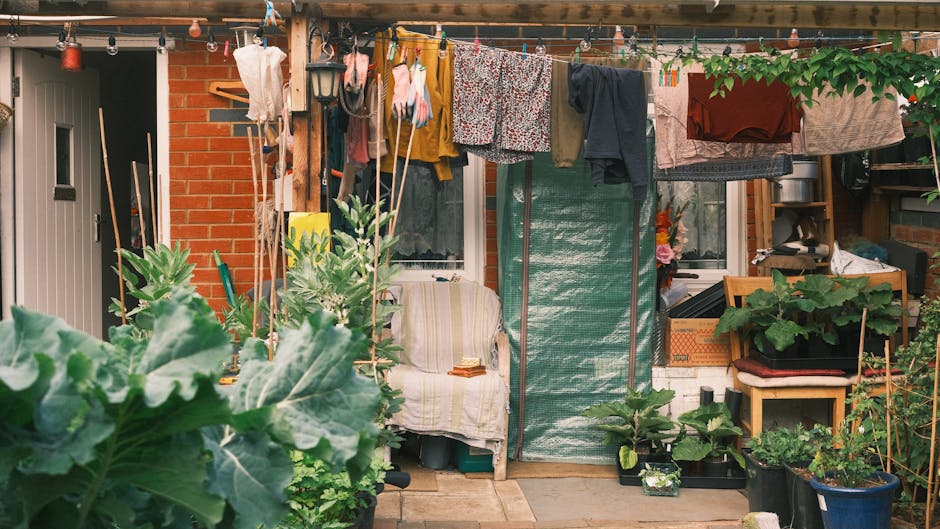
SE17 garden guide avoid hidden charges with local gardeners
If you've ever asked for help with a garden and then felt blindsided by extra fees, you're not alone. The real challenge isn't finding someone to mow, trim, clear, or landscape in SE17; it's making sure the price you agree is the price you actually pay. This SE17 garden guide avoid hidden charges with local gardeners is here to help you do exactly that. You'll learn how to read quotes properly, ask the right questions, compare services fairly, and avoid those awkward surprises that turn a simple job into an expensive one. And yes, it can be done without making the whole process feel like a legal exam.
For many local homeowners, landlords, and tenants, a good gardener is worth their weight in compost. The trick is to keep things transparent from the first message to the final sweep-up.
Table of Contents
- Why SE17 garden guide avoid hidden charges with local gardeners Matters
- How SE17 garden guide avoid hidden charges with local gardeners Works
- Key Benefits and Practical Advantages
- Who This Is For and When It Makes Sense
- Step-by-Step Guidance
- Expert Tips for Better Results
- Common Mistakes to Avoid
- Tools, Resources and Recommendations
- Law, Compliance, Standards, or Best Practice
- Options, Methods, or Comparison Table
- Case Study or Real-World Example
- Practical Checklist
- Conclusion
- Frequently Asked Questions
Why SE17 garden guide avoid hidden charges with local gardeners Matters
Hidden charges usually don't arrive as one dramatic line item. They creep in. A "small clearance fee" here, a "green waste supplement" there, then suddenly the bill looks nothing like the original quote. In SE17, where gardens vary from compact courtyards to larger family plots, that kind of mismatch can happen easily if the job scope isn't clear.
This matters for three simple reasons. First, garden work is often seasonal and urgent, so people rush. Second, local gardeners may quote differently depending on access, waste disposal, materials, or the condition of the site. Third, many jobs start as one-off tasks and grow into something bigger once the work begins. A bit of untidy hedging can reveal rotten timber. A lawn tidy can uncover compacted soil or bramble roots. That's normal. What shouldn't be normal is a vague invoice.
To be fair, most disputes are not about bad intent. They're about assumptions. You assumed debris removal was included. The gardener assumed it wasn't. You assumed the hedge trim covered the front and back. They priced only the visible side. That's why a transparent SE17 garden guide avoid hidden charges with local gardeners approach is so useful: it keeps assumptions out of the way.
It also helps you compare value instead of just price. A cheap quote can look attractive until you realise it excludes labour, waste, or essential materials. A slightly higher quote can be better value if it actually covers the full scope. Let's face it, a bargain isn't a bargain if it keeps getting re-priced.
How SE17 garden guide avoid hidden charges with local gardeners Works
The process is straightforward, though it works best when you slow down just enough to be precise. Start with a clear description of the job. Not "sort the garden out," because that can mean almost anything. Try "mow the front and back lawn, remove light weeds from borders, trim hedges, and take away cuttings." The more specific you are, the easier it is for a gardener to price honestly.
Next, ask what the quote includes. A proper quote should ideally say whether labour, tools, travel, waste removal, materials, and follow-up visits are included. If a gardener needs to inspect the site first, that's perfectly normal. For larger jobs such as landscaping, decking, fencing, or tree work, an on-site look is often the only sensible way to quote fairly. You can explore related services like landscaping in Walworth SE17 or tree surgery services if your project goes beyond routine upkeep.
Then comes the part many people skip: confirming exclusions. Ask what is not included. For example, if the quote covers hedge trimming but not disposal of woody waste, that needs to be written down. If the price assumes easy access, but the side gate is narrow and the rear garden is only reachable through the house, that may affect the final cost. Better to ask now than argue later, when the tea has gone cold and the mower is already in the van.
Finally, make sure the agreement is consistent. Message, quote, and job description should all tell the same story. If one says "lawn mowing" and another says "lawn mowing plus edging and clippings removal," you have a problem waiting to happen. A careful approach here saves time, money, and a fair bit of annoyance.
Key Benefits and Practical Advantages
The big benefit is obvious: fewer nasty surprises. But the practical advantages go further than that.
- Better budgeting: you can plan the real cost of your garden work, not just the starting price.
- Clearer expectations: both sides know what is being done, which usually means smoother work on the day.
- Less conflict: if a dispute does arise, written detail makes it easier to resolve calmly.
- Better comparisons: you can compare quotes like-for-like instead of comparing apples to a wheelbarrow.
- More confidence: you're less likely to feel pressured into extras you didn't need.
There is another benefit people overlook: better garden outcomes. A clear brief often leads to better work. If a gardener knows you want a low-maintenance finish, or that you're trying to protect a dog-friendly space, they can suggest a more suitable plan. That can tie in with services such as garden maintenance in Walworth SE17 or lawn care, depending on the condition of your outdoor space.
In our experience, the best jobs are the ones where everyone knows the shape of the finish before the first cut is made. Simple really, but it saves headaches.
Who This Is For and When It Makes Sense
This guide is for anyone in SE17 who wants garden help without muddled pricing. That includes homeowners, renters with permission to improve outdoor space, landlords arranging regular upkeep, and property managers looking after shared gardens. It also suits people who only need seasonal support, like a spring tidy-up, hedge trim, or one-off clearance after a storm.
It makes particular sense if any of these sound familiar:
- You've had inconsistent quotes in the past.
- You're booking work for the first time and don't know what should be included.
- Your garden has access issues, waste to remove, or awkward corners that could affect labour time.
- You're arranging multiple tasks at once, such as mowing, pruning, and patio cleaning.
- You want to avoid being charged extra because the job turned out bigger than expected.
If your garden needs a mix of services, it may be worth grouping the work into a single visit. For example, a tidy-up could combine lawn mowing, hedge trimming, and patio cleaning so you are not paying multiple call-out style costs. Not always the cheapest route, but often the cleanest.
It's also useful if you have a very specific outcome in mind, like creating a child-friendly space, making room for seating, or keeping a garden neat through wetter months. You can even look at inspiration pieces such as budget-friendly low-upkeep garden ideas or ways to keep a garden thriving alongside dogs if you are planning around family life.
Step-by-Step Guidance
- List the exact tasks. Write down what you want done, not just the general goal. For example: "trim back front hedge, weed the side path, mow the lawn, remove clippings."
- Describe the site properly. Mention gate widths, steps, steep areas, sheds, tight access, standing water, or whether materials need carrying through the house.
- Ask for an itemised quote. Request a breakdown for labour, materials, waste removal, and any extras. If the gardener does not normally itemise, ask them to confirm what is included in plain language.
- Check waste handling. Green waste is one of the most common extras. Ask whether cuttings are taken away, composted on site, or left neatly bagged.
- Confirm material costs. If the job needs gravel, plants, timber, soil, or fixings, check who supplies them and whether mark-up or delivery fees are part of the price.
- Clarify timing. Some gardeners charge more for urgent visits, weekend work, or larger team visits. Ask whether the quoted price changes if the job takes longer than expected.
- Get the agreement in writing. A text or email summarising the scope is usually enough for smaller jobs. For bigger projects, a written estimate with terms is better.
- Reconfirm before work starts. A quick check on arrival helps catch any misunderstandings early. It takes two minutes and can save an expensive afternoon.
If the job involves bigger structural work, such as a new boundary, deck, or a garden redesign, it's sensible to ask for separate pricing and phased planning. Related service pages like fencing services and decking services can help you think through those larger elements without mixing them into a basic tidy-up quote.
Expert Tips for Better Results
Tip 1: Treat vague wording as a red flag. Words like "as needed" or "basic tidy" can be fine in casual conversation, but they are not enough on their own. Ask what those phrases actually mean.
Tip 2: Compare what is excluded, not just what is included. Two quotes can look similar until you discover one leaves out waste removal and one includes it. That alone can change the value a lot.
Tip 3: Be honest about the state of the garden. If the lawn is heavily overgrown or the hedge has not been cut in ages, say so. A gardener can only price fairly if they know the real starting point.
Tip 4: Use photos, but don't rely on them alone. Good photos are useful for quick pricing, yet they can hide slopes, access issues, or hidden debris. A few phone pictures plus a short description is stronger than either one alone.
Tip 5: Group related tasks sensibly. A gardener trimming hedges may also be the right person to take care of border weeds or basic tidy-up. Grouping can reduce repeated travel and keep the job efficient. A practical option is to combine work with general gardening services rather than splitting everything across separate visits.
Tip 6: Ask about seasonal impact. Winter work, wet ground, or summer growth surges can affect labour time. This does not mean you should be overcharged, but it can influence scheduling and the amount of work needed.
One small but useful habit: keep the quote, the agreed scope, and the final invoice together. A folder on your phone is enough. Nothing fancy. Just tidy.
Common Mistakes to Avoid
Most hidden-charge headaches can be traced back to a handful of predictable mistakes.
- Booking on price alone: the cheapest estimate often leaves out something important.
- Using vague job descriptions: "garden tidy" is not detailed enough for a fair quote.
- Forgetting waste removal: clippings, branches, and soil all take time and effort to dispose of properly.
- Ignoring access: narrow side returns, locked gates, and long carry distances can change labour time.
- Assuming materials are included: plants, compost, timber, sand, and fixings are often extra unless stated.
- Not checking follow-up work: some jobs need return visits, especially after pruning, lawn recovery, or landscaping.
There's also a subtle mistake people make: they over-explain the garden but under-explain the outcome they want. If you simply say "make it neat," a gardener might choose a very different finish from the one you had in mind. Be specific about style too. If you want a low-maintenance look, say so. If you want a more polished, formal feel, say that as well. It helps.
And if you are wondering whether a quick phone call is enough, sometimes yes. But for anything beyond a light tidy, a written note is safer. Much safer.
Tools, Resources and Recommendations
You do not need specialist software or a complicated spreadsheet to avoid hidden charges. A few simple tools are more than enough.
- A phone camera: take clear photos of each area before quoting.
- A notes app: record what was agreed, especially exclusions and add-ons.
- A rough sketch: if your garden is awkwardly shaped, a simple layout note can help.
- A measuring tape: useful for lawns, hedges, paths, and access points.
- A checklist: keep one list for what you want done and one for what was confirmed.
For gardeners who are deciding what type of work to request, browsing relevant service pages can help you define the scope properly. For example, lawn care is different from mowing alone, and hedge trimming may involve shaping, not just cutting back. That kind of distinction matters when pricing.
You can also look at helpful guidance pieces on garden design and maintenance ideas, such as creating a peaceful outdoor space, refreshing a neglected garden, or keeping weeds under control. They are useful when you are trying to explain the look and upkeep level you expect.
Law, Compliance, Standards, or Best Practice
For most domestic garden jobs, the main concern is not formal regulation; it is sensible best practice. Still, a few points are worth keeping in mind.
First, waste should be handled responsibly. If a gardener removes green waste, confirm how it will be taken away and whether that cost is built into the quote. Second, tree-related work can carry additional safety and access considerations, so it is wise to ask whether the person doing the job is suited to it. Third, if the work affects shared boundaries, neighbouring property, or access through communal areas, make sure everyone involved is aware before the job starts.
For larger or more technical tasks, such as tree work, fencing, or structural landscaping, written clarification becomes even more valuable. That is less about bureaucracy and more about avoiding confusion after the fact. A simple written summary of scope, timings, and exclusions is often enough.
Best practice also means being clear about who supplies what. If you expect the gardener to bring plants, soil, boards, fixings, or specialist products, say so. If you will supply them yourself, say that too. Mixed assumptions are where hidden charges tend to breed.
And one practical note: if anything sounds too open-ended, ask for it to be rephrased. A careful sentence now is easier than a tense conversation later. Far easier.
Options, Methods, or Comparison Table
Here's a simple comparison of the main ways people in SE17 book garden work and how each affects the risk of extra charges.
| Booking method | Best for | Strengths | Hidden-charge risk |
|---|---|---|---|
| Quick verbal estimate | Very small, simple jobs | Fast and convenient | Higher, because details can be forgotten |
| Message-based quote with photos | Routine mowing, tidy-ups, light pruning | Easy to review and compare | Moderate, especially if access or waste is unclear |
| On-site written estimate | Larger or more complex jobs | Most accurate and transparent | Lower, if scope is written clearly |
| Phased project quote | Landscaping, fencing, decking, redesigns | Good for controlling budget over time | Lower, provided each phase is priced separately |
For most people, the message-based quote with photos is the sweet spot. It's quick, it gives you a record, and it usually prevents the most common misunderstandings. For bigger work, though, an on-site quote is better. No contest.
Case Study or Real-World Example
Imagine a SE17 homeowner with a back garden that has become a bit unruly after a wet spell. The lawn is patchy and long, the hedge has reached an awkward height, and the patio has a dull film of moss and leaf residue. They ask for "a general tidy-up" and receive a cheap quote over the phone.
That quote sounds fine until the gardener arrives and explains that the access is through a narrow side passage, the hedge clippings will need bagging, the patio cleaning requires more time than expected, and the lawn has grown enough to slow the job down. Suddenly the price rises. Not dramatically, maybe, but enough to sting.
If the homeowner had instead said: "I need lawn mowing, hedge trimming, light weed removal, and patio cleaning. Please include waste removal and confirm whether access through the side passage affects the price," the quote would likely have been more accurate from the start. Maybe slightly higher on paper, but honest. And honestly is what matters here.
In that sort of situation, a gardener might split the work into parts: first the mowing and trim, then the deeper clean, then any follow-up maintenance. That can be the smarter option if you are managing budget carefully. It also makes the garden feel gradually improved rather than all at once, which some people prefer. There is something satisfying about that second visit, when everything starts to look like a proper garden again and not a weekend project gone rogue.
Practical Checklist
Use this before you agree to any garden work in SE17.
- Have I described the job clearly and specifically?
- Have I included access details, steps, narrow gates, or carry distance?
- Do I know whether waste removal is included?
- Have I checked whether materials are included or extra?
- Do I understand what the quote excludes?
- Have I asked whether the price changes if the job is larger on arrival?
- Have I got the agreement in writing, even if only by message?
- Have I compared at least two quotes on a like-for-like basis?
- Have I checked whether the work should be grouped with other tasks?
- Am I comfortable that the final price is likely to match the quote?
Quick takeaway: the safest way to avoid hidden charges is to be specific, written-down, and calm about the details. Not fussy. Just clear.
For a tailored conversation about your garden plans, it's sensible to speak directly with a local team once you know what you need. If you want to discuss a job in more detail, start with the team at the contact page and share the scope as clearly as you can.
Conclusion
A good garden quote should feel reassuring, not mysterious. That is really the heart of this SE17 garden guide avoid hidden charges with local gardeners: if you set out the job properly, confirm what is included, and make sure exclusions are plain, you protect your budget and make the work smoother for everyone involved.
Whether you need a quick mow, hedge shaping, patio cleaning, or something bigger like landscaping or fencing, the same principle applies. Clarity first. Then action. It's a simple habit, but it saves a surprising amount of money and stress.
And once the paperwork side is sorted, you can get back to the good part: looking out at a garden that actually feels cared for. A small win, maybe. But a lovely one.
Get a free quote today and see how much you can save.
Frequently Asked Questions
How do I avoid hidden charges when hiring a gardener in SE17?
Ask for a clear, itemised quote, confirm what is included, and check exclusions such as waste removal, materials, and access issues before work starts.
What should be included in a garden quote?
A good quote should explain labour, the exact tasks, waste handling, materials if needed, access assumptions, and any extra charges for urgent or awkward jobs.
Is a verbal quote enough?
For tiny jobs, maybe, but written confirmation is much safer. Even a short message helps avoid confusion later.
Do local gardeners usually charge for green waste removal?
Often, yes. Some include it, some do not, and some charge based on volume or disposal time. Always ask.
Why do garden quotes change after the job starts?
Usually because the actual work turned out to be bigger than expected, or because access, debris, or materials were not fully discussed beforehand.
Should I get a site visit before a larger garden project?
Yes. For landscaping, fencing, tree-related work, or major refreshes, an on-site visit usually gives the most accurate pricing.
Can I bundle several garden jobs into one visit?
Absolutely. Combining mowing, hedge trimming, and tidy-up work can make scheduling easier and may help with overall value.
What is the biggest mistake people make with local gardener quotes?
The biggest mistake is using vague wording. "Tidy the garden" sounds simple, but it can mean very different things to different people.
How do I compare two gardening quotes fairly?
Compare like for like. Check the task list, waste removal, materials, visit length, and any exclusions before deciding which quote is best.
Do I need to worry about compliance for normal garden work?
For basic jobs, the main issue is best practice rather than formal compliance. For bigger or technical jobs, it is wise to confirm responsibilities in writing.
What if my garden has awkward access?
Tell the gardener upfront. Narrow gates, steps, long carry distances, or access through the house can all affect the final price.
Is the cheapest quote ever the best choice?
Sometimes, but not always. The best value is the quote that clearly covers the work you actually need, without hidden extras waiting in the background.