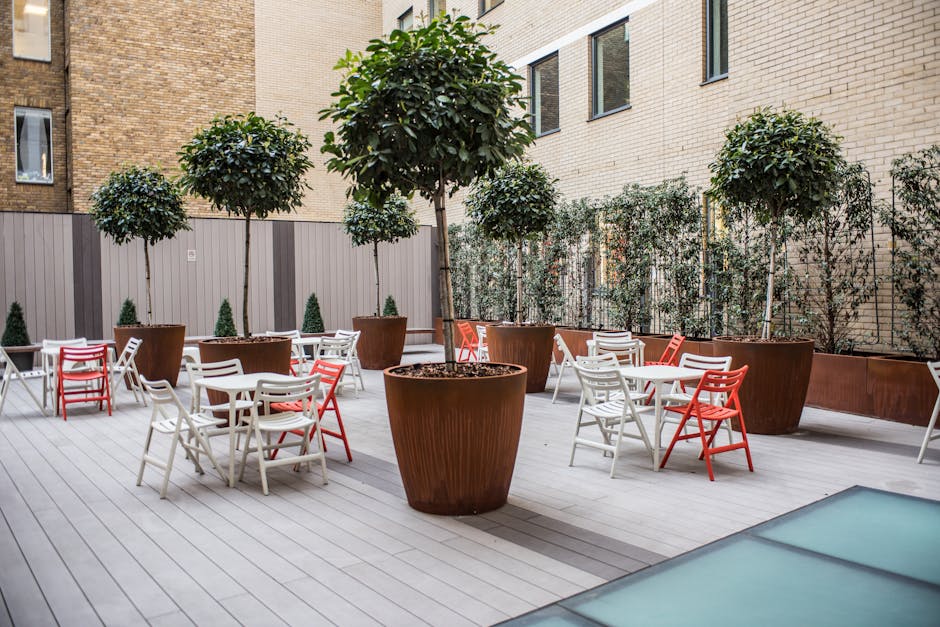
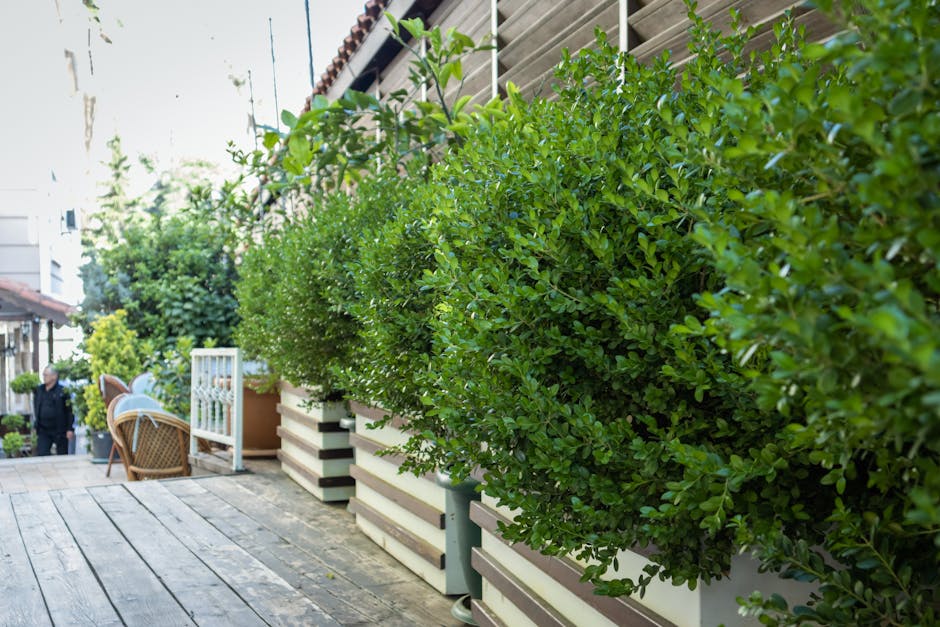
Family terrace garden transformation by Walworth gardeners: how to turn a small outdoor space into a proper family retreat
If your terrace feels more like a pass-through than a place to enjoy, you are not alone. Many London homes have outdoor space that is narrow, shaded, overlooked, or just a bit tired after years of busy family life. A well-planned family terrace garden transformation by Walworth gardeners can change that fast. Not by making the space look staged or fragile, but by turning it into something you can actually live in: a spot for morning coffee, muddy boots, dinner outside, kids' play, and a bit of calm at the end of the day.
Done well, terrace garden work is part design, part problem-solving, and part practical maintenance. The best results usually come from understanding the space first, then layering in structure, planting, and family-friendly features. In this guide, you'll get a clear, useful overview of how the process works, what to prioritise, where people go wrong, and how to make choices that hold up through real life - not just a nice Saturday afternoon.
Table of Contents
- Why Family terrace garden transformation by Walworth gardeners Matters
- How Family terrace garden transformation by Walworth gardeners Works
- Key Benefits and Practical Advantages
- Who This Is For and When It Makes Sense
- Step-by-Step Guidance
- Expert Tips for Better Results
- Common Mistakes to Avoid
- Tools, Resources and Recommendations
- Law, Compliance, Standards, or Best Practice
- Options, Methods, or Comparison Table
- Case Study or Real-World Example
- Practical Checklist
- Conclusion
- Frequently Asked Questions
Why Family terrace garden transformation by Walworth gardeners Matters
A terrace garden is rarely just a decorative add-on. For families, it often becomes the place where everyday life spills outdoors: after-school snacks, a small herb patch for cooking, a shaded corner for reading, or a safe surface where children can potter about without tearing up the whole space. That is why a family terrace garden transformation is less about "beautifying" and more about making the outside space genuinely usable.
In Walworth, where many homes sit close together, privacy and layout matter just as much as planting. You may need screening from neighbouring windows, better drainage after heavy rain, or surfaces that do not become slippery and awkward in winter. A good garden plan handles all of that while still feeling light and welcoming. Truth be told, the difference between a terrace that gets ignored and one that gets used often comes down to the basics: flow, storage, access, and maintenance. Fancy ideas are nice, but the practical stuff wins.
Another reason this matters is family life changes quickly. A space that works for toddlers may need adjusting when children get older, or when pets arrive, or when entertaining becomes more important. The strongest terrace garden designs are flexible, not precious. They can shift a bit without needing a full redesign every year.
Expert summary: a successful family terrace garden transformation balances comfort, safety, privacy, and low-maintenance structure. If one of those is missing, the space usually feels unfinished or becomes hard to keep up.
How Family terrace garden transformation by Walworth gardeners Works
The process starts with a proper assessment of the space. Not just a quick glance. A professional gardener will look at how much sun the terrace gets, where water collects, how strong the wind is, where the exits are, and how the family actually uses the area. That first stage is everything, because terrace gardens behave differently from open ground gardens. Pots dry out faster, decking and paving need safer finishes, and vertical features can catch wind in a way that surprises people.
From there, the design usually moves into zones. That might mean one area for seating, one for planting, one for children's activities, and one for storage or utility use. On smaller terraces, those zones may overlap. That is fine. In fact, it is often better. A bench with hidden storage, for example, can be more useful than a bulky shed that eats the whole width of the garden. Small space, big jobs.
Next comes surface and structure work. This could include tidying or replacing tired paving, installing or refreshing fencing for privacy, adding decking for warmer underfoot comfort, or improving boundaries with planting. If the terrace is cluttered or stained, a service such as patio cleaning in Walworth can make a dramatic difference before anything new goes in. Clean surfaces are not glamorous, but they set the tone. You notice it immediately.
Planting then softens the hard edges. For family terrace spaces, that often means a mix of low-maintenance shrubs, container plants, herbs, climbers, and perhaps some ground cover for lower layers. Guides like innovative container garden ideas and vertical gardening ideas are especially useful if you are working with a narrow terrace or want to keep floor space open.
The final part is usually maintenance planning. Families need gardens that keep going without becoming a second job. That means thinking about pruning cycles, watering habits, weed control, seasonal tidy-ups, and safe access. Services such as garden maintenance in Walworth and general gardening services can help keep the transformation looking intentional rather than slowly drifting back into chaos.
Key Benefits and Practical Advantages
The first benefit is obvious: the garden looks better. But appearance is only the beginning. A thoughtfully transformed terrace can make the home feel bigger, calmer, and more connected. When the outdoor space works properly, the whole house often feels better organised. Families tend to use it more, too. That sounds simple, but it changes day-to-day life in a real way.
Here are the practical advantages people notice most:
- More usable space: Better layout gives you room to sit, play, grow, and move without bumping into everything.
- Improved privacy: Fencing, screening planting, and smart placement reduce that exposed feeling many terrace gardens have.
- Safer surfaces: Stable paving, clear walkways, and sensible edging reduce slips, trips, and awkward corners.
- Lower upkeep: Choosing the right materials and planting reduces weekend workload.
- Better child-friendly use: A family terrace can be made easier to supervise and less prone to mess spreading everywhere.
- Better pet compatibility: With the right layout, pets can enjoy the space without wrecking it.
There is also a wellbeing angle that people sometimes forget. A terrace garden with a bit of rhythm - a seat here, a scent there, some greenery at eye level - gives you a place to pause. Not a dramatic life transformation, just a small, steady improvement. And those count. Especially in a city.
If your terrace has become patchy or neglected, you may find it useful to compare your project with advice on refreshing a neglected garden. The principles are similar: clear out the noise, create structure, and rebuild in layers.
Who This Is For and When It Makes Sense
This kind of project suits families who want their terrace to work harder. That might mean young children need a safe place to play, teenagers want somewhere to sit that is not indoors, or adults want an outdoor area that feels tidy and private without constant effort. It also makes sense if you have bought a property with a decent terrace that simply does not match how you live now. Happens all the time.
It is especially worthwhile if you recognise any of these situations:
- The terrace is mainly used for storage, bins, or nothing much at all.
- Plants are in the wrong places and die off easily.
- The area feels overlooked by neighbours.
- There is too much hard landscaping and not enough softness.
- Maintenance keeps getting postponed because the space feels overwhelming.
- You want an outdoor area that works in both summer and colder months.
It also makes sense when you are trying to make a home more family-friendly without changing the interior. A clever terrace can handle a surprising amount of life. School bags, a wheeled toy or two, compost bins tucked away, herbs for cooking, a chair for grandparents, maybe a climbing plant or two for atmosphere. That is plenty.
If your household includes dogs, it helps to plan with them in mind from day one. A practical guide such as garden ideas for households with dogs can save you from a few predictable headaches later.
Step-by-Step Guidance
1. Start with the real function of the terrace
Before choosing plants or materials, decide what the terrace must do. Seating? Child play? Edible growing? Privacy? All four? Pick the priority order. A garden that tries to do everything at once can end up doing none of it well. Be a bit ruthless here, honestly.
2. Clear, clean, and repair
Remove broken pots, tired furniture, and anything that is only there because it has "always been there". Then clean the hard surfaces. If paving is mossy, stained, or uneven, sorting that first makes every later decision easier. In many cases, a clean base also helps you spot what needs repair rather than masking it under new decor.
3. Map sun, shade, and wind
Note where the light lands in the morning and late afternoon. Watch how wind moves between buildings. Terrace gardens can be surprisingly gusty, especially at upper levels. If the space is exposed, it may need sturdier planters, screening, or more sheltered planting choices. A good windbreak can be the difference between "lush" and "continually flattened".
4. Build structure before adding decoration
Think in terms of bones first. That may mean fencing, a pergola-style framework, raised planters, or decking. For some families, a service like fencing in Walworth gives the privacy and boundary definition the terrace was missing. Others benefit more from a level change or seating zone with decking services.
5. Choose planting that suits a family rhythm
For busy households, go for plants that look good without demanding constant fuss. Mix evergreen structure with seasonal interest. Add herbs if you want cooking value, climbers if you need vertical green, and perhaps a few child-friendly sensory plants if the space allows. If you like practical greenery, herb garden growth tips can help you keep kitchen planting productive rather than ornamental only.
6. Add seating and storage together
That pairing is underrated. A terrace garden often works best when seating is not an afterthought. Benches with storage, compact tables, foldable chairs, or built-in timber seating can free up space while keeping the area tidy. For inspiration, thoughtful garden seating ideas are a smart place to start.
7. Finish with maintenance rhythm
Every good terrace garden needs a routine. Not a huge one, just a sensible rhythm. Weekly checks for watering and litter, monthly checks for pruning and pest issues, seasonal checks for drainage and structure. If that sounds boring, well, it is a bit. But it is what keeps the place looking like a garden instead of a collection of expensive mistakes.
Expert Tips for Better Results
A few practical choices make a disproportionately big difference. First, use larger containers where possible. Tiny pots dry out faster and look cluttered quickly. Larger planters also tend to feel more stable on a terrace, which matters on windy days.
Second, repeat materials and colours. If every pot, chair, and planter is trying to be the star, the space becomes restless. A consistent palette gives the eye somewhere to settle. That does not mean dull. Just coherent.
Third, think vertically. On a terrace, walls and railings are valuable real estate. Climbers, wall planters, trellises, and slim shelves can add greenery without crowding the floor. For shady areas, you might like the ideas in evergreen climbers for shaded spaces.
Fourth, choose plants for conditions, not for wishful thinking. A sunny plant in a windy, semi-shaded terrace will spend its life looking offended. Better to work with the site. The plant catalog can be dreamy; the terrace is usually more honest.
Finally, plan for easy cleaning. Smooth surfaces, liftable furniture, and accessible corners make a real difference. It sounds basic, but a terrace that can be swept and watered without fuss gets used more often and kept in better shape.
Useful rule of thumb: if a design choice makes routine cleaning harder, ask whether it is truly worth it. Family spaces need a bit of grace under pressure.
Common Mistakes to Avoid
People often make the same errors when transforming a family terrace garden. The first is overfilling the space. Too many pots, too much furniture, too many "must-have" features. On paper it sounds charming. In real life it can feel cramped and awkward.
Another common mistake is ignoring water management. Terrace gardens need proper drainage and sensible watering habits, especially where containers are involved. If water pools, runs the wrong way, or leaves surfaces slippery, the whole space becomes more maintenance-heavy and less safe.
Here are the other traps worth avoiding:
- Choosing style before function: pretty is fine, but only after the space works.
- Using fragile materials in exposed spots: terraces can be windier and harsher than they look.
- Forgetting privacy: especially important in closely built London streets.
- Underestimating maintenance: a low-maintenance plan needs design thought, not just optimism.
- Picking plants that outgrow the space: a hedge may be lovely, until it becomes a wall with opinions.
- Blocking movement routes: families need direct, clear access, not a maze.
If the garden is already tangled and difficult to enjoy, a planned reset can help. There is useful thinking in building a family-friendly outdoor space and turning a yard into a kid-friendly adventure land, even if your space is a terrace rather than a full yard.
Tools, Resources and Recommendations
You do not need a van full of specialist kit to improve a terrace garden, but a few tools and materials make the work easier. A good broom, secateurs, watering can, sturdy gloves, pruning shears, hand fork, and a reliable trowel go a long way. For larger projects, a spirit level, measuring tape, and a decent wheelbarrow or garden trolley can be very helpful.
For planning and planting choices, practical reading helps. If you want compact, useful planting ideas, ground cover plant selections can help with areas where you want to soften edges without constant mowing. If you want the planting to work across seasons, severe weather garden advice is well worth considering before you commit.
For families who want a greener, lower-impact terrace, there is also value in reusing safe garden waste and improving soil responsibly. The article on soil enrichment from waste offers a sensible route to better planting without unnecessary spending. And if you're just getting started, beginner gardening tips can keep the process from feeling intimidating.
If your terrace is small and you need to choose between different priorities, the best resource is often a clear conversation with a local gardening team. You can review options and next steps through Walworth gardening services and then decide what deserves to happen first.
Law, Compliance, Standards, or Best Practice
For terrace garden work in London, the main thing is to stay sensible and respectful of the property, neighbours, and building structure. If the terrace is part of a flat, leasehold property, or shared block, there may be building rules about weight loads, noise, access, or what can be fixed to walls and railings. That is not unusual. It just means you should check before installing heavier planters, large screens, or anything that alters the structure.
Good practice also matters with drainage. Terrace gardens should not direct water toward neighbouring property or create persistent pooling. Likewise, any tree work, hedge shaping, or major pruning should be done carefully and at the right time of year for the plant. If a terrace includes established trees close by, professional tree surgery in Walworth may be appropriate rather than trying to manage large growth casually.
If you are adding taller screening or evergreen structure, it is wise to keep maintenance access in mind. Hedges, climbers, and walls can work beautifully, but they should remain manageable. Services like hedge trimming help keep growth controlled and tidy rather than letting it encroach on light or space.
There is also a practical safety angle. Keep walkways clear, secure loose edging, and use stable pots that will not tip in a gust. In our experience, the best terrace gardens are not the most elaborate ones. They are the ones that stay safe, functional, and easy to maintain without drama. That counts for a lot.
Options, Methods, or Comparison Table
Different terrace gardens need different approaches. A quick comparison helps you see which direction fits your space and family routine.
| Approach | Best for | Advantages | Trade-offs |
|---|---|---|---|
| Container-led transformation | Very small terraces, renters, flexible layouts | Easy to move, quick to refresh, good for seasonal change | Needs regular watering and can look cluttered if overused |
| Structured hardscape upgrade | Families needing a long-term layout | Creates clear zones, better durability, easier to use daily | Higher upfront effort and less flexibility later |
| Planting-heavy softening plan | Terraces that feel stark or overlooked | Great for privacy, atmosphere, and biodiversity | Can require more upkeep and careful species selection |
| Low-maintenance family design | Busy households with little spare time | Simple care routine, cleaner look, fewer chores | May feel less lush unless planned well |
For many Walworth homes, the best answer is not one method alone. It is a blend: a stable structure, a few strong planters, privacy where needed, and a maintenance plan that fits real family life. That tends to age better than a design built around a single dramatic idea.
Case Study or Real-World Example
Here is a realistic example based on a typical terrace project. A family with two children had a narrow rear terrace that was mostly unused. The paving was dull, the space felt overlooked, and the only plants were a couple of struggling pots and one vine that had gone a bit wild. The family wanted somewhere to sit after school, somewhere the children could play without constantly being told to "stop touching that", and some privacy from neighbouring windows.
The transformation began with clearing, cleaning, and checking the existing surfaces. The old clutter came out first. Then the team improved the layout by creating a central open strip for movement, a seating area at one end, and planting along the edges to soften the boundaries. Fencing was refreshed where needed, and a few vertical features were added so the terrace felt greener without losing usable floor space. The family also chose robust planters and a small selection of herbs and evergreen structure plants so the garden would still look alive in colder months.
What changed most was not just the look. It was the behaviour. The children started spending more time outside because there was a proper place to be. The adults used the terrace more because it was not a chore to clean or rearrange. Even simple maintenance felt manageable. No magic, no drama. Just a space that matched the household.
If the property needs a broader refresh beyond planting, a service like landscaping in Walworth can bring together the hard and soft elements more coherently than piecemeal fixes. And if the terrace already has a decent structure but looks worn, the combination of patio cleaning and smart planting can do more than people expect. It's a bit of a reset button, really.
Practical Checklist
Use this checklist before you start the transformation:
- Decide the top three uses for the terrace.
- Check where the sun, shade, and wind fall through the day.
- Clear away items you no longer need.
- Inspect paving, steps, drainage, and fencing.
- Choose a simple layout with clear walking space.
- Plan at least one privacy solution if the terrace is overlooked.
- Select family-friendly, low-maintenance planting.
- Include seating that is comfortable and easy to clean.
- Think about storage for tools, toys, and cushions.
- Set a realistic watering and maintenance routine.
- Review safety points: stability, slip risk, sharp edges, and access.
- Book professional help where the work is structural or time-sensitive.
Quick takeaway: if you get the structure, safety, and maintenance right, the styling becomes much easier. Start there. Always.
Conclusion
A family terrace garden transformation by Walworth gardeners is really about making a small urban space feel like part of the home again. The best results are not the flashiest. They are the most livable: a terrace that gives you privacy without feeling boxed in, greenery without high maintenance, and a layout that works for everyday family life.
Whether your terrace needs a full redesign or just a smarter reset, the process is the same at heart. Understand the space, build in structure, choose plants carefully, and keep maintenance realistic. Do that, and the garden stops being a source of mild guilt and becomes a place you actually enjoy opening the door to. That shift matters more than people realise.
If you are ready to explore a tailored approach for your home, get in touch with Walworth gardeners to discuss the space, your priorities, and the kind of finish that would suit your family best.
Get a free quote today and see how much you can save.
Frequently Asked Questions
What is a family terrace garden transformation?
It is the process of redesigning a terrace garden so it works better for family life. That usually means improving layout, privacy, safety, planting, and maintenance so the space is more usable day to day.
How long does a terrace garden transformation usually take?
It depends on the size of the terrace and how much work is needed. A simple refresh may move quickly, while a larger project involving hard landscaping, fencing, or decking will naturally take longer.
Is a terrace garden suitable for children?
Yes, if it is planned properly. Clear pathways, stable surfaces, sensible storage, and child-friendly planting all help make the space safer and easier to supervise.
What plants work best in a family terrace garden?
Low-maintenance plants with good structure usually work well, along with herbs, climbers, and seasonal container planting. The right choice depends on light, wind, and how much care the family can realistically give.
How do you make a terrace garden more private?
Privacy can come from fencing, screening plants, tall containers, climbers, or carefully placed seating. A layered approach often works better than relying on one single feature.
Do terrace gardens need a lot of maintenance?
They can if they are overplanted or poorly designed. A well-planned family terrace should be manageable with a steady routine rather than constant work.
Can you add decking to a terrace garden?
Often, yes, but it depends on the space and the surface conditions. Decking can improve comfort and create a more defined seating zone, especially when installed properly and maintained well.
What is the biggest mistake people make with terrace gardens?
The most common mistake is trying to fit in too much. Overcrowding makes the space harder to use and harder to clean, which quickly drains the appeal.
How can I keep a terrace garden looking good in winter?
Use evergreen structure, sturdy containers, and seasonal plants that can cope with colder weather. It also helps to keep the hard surfaces clean and avoid clutter.
Is professional help worth it for a small terrace?
Often, yes. Small spaces benefit from careful planning, and professional help can prevent expensive mistakes. Even a modest terrace can improve dramatically with the right layout and materials.
Can terrace gardens be made pet-friendly too?
Yes, absolutely. The trick is choosing safe plants, leaving enough open movement space, and avoiding fragile features that pets might damage by accident.
What should I ask before booking a gardener for my terrace project?
Ask how they would assess the space, what they recommend for drainage and privacy, how they handle maintenance planning, and whether they can balance family use with practical upkeep.