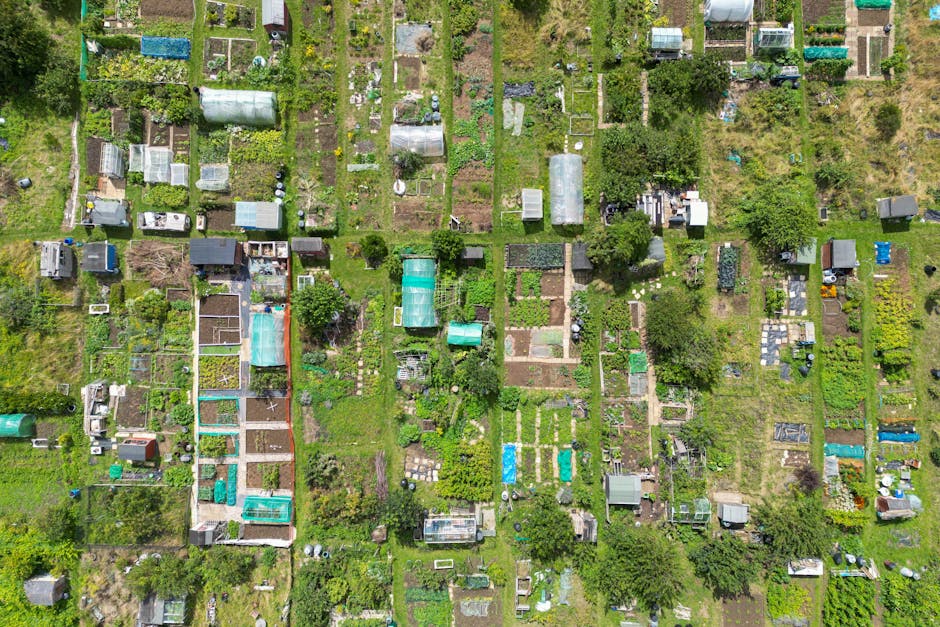
Aylesbury Estate small garden guide for Walworth gardeners
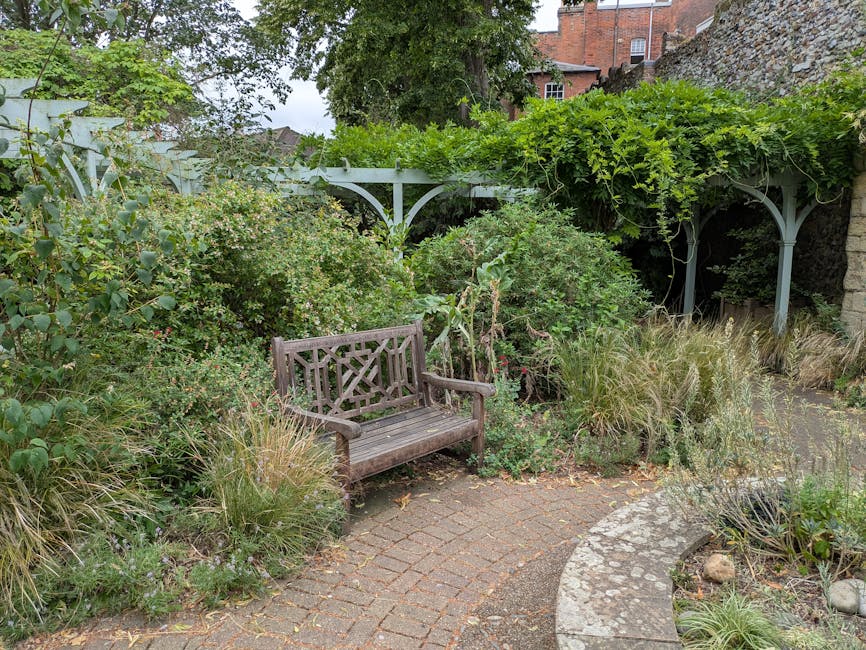
Small gardens can be brilliant, honestly. They ask for a bit more thought, yes, but they also reward every smart decision with visible results. In the Aylesbury Estate, where outdoor space is often compact, overlooked, or shared between practical needs and a wish for somewhere peaceful, the right approach can turn a tight plot into a genuinely useful little retreat. This Aylesbury Estate small garden guide for Walworth gardeners is designed to help you make the most of that space without turning it into a full-time job. Whether you want more greenery, better privacy, easier upkeep, or simply a garden that feels less cramped on a damp Tuesday afternoon, you'll find practical, local advice here.
We'll walk through the realities of small-space gardening, how to plan around light, wind, shade, and storage, and which planting and maintenance choices really make life easier. There's also a checklist, a comparison table, and a few honest mistakes to avoid, because let's face it, small gardens can go from charming to cluttered rather quickly if you're not careful.
Why Aylesbury Estate small garden guide for Walworth gardeners Matters
Small gardens in and around Aylesbury Estate need a slightly different mindset from larger suburban plots. Space is limited, boundaries can feel close, and the garden may need to do several jobs at once: somewhere to sit, somewhere to grow, somewhere to store, somewhere for children or pets, and somewhere that still looks tidy from the first-floor window. If you treat it like a big garden in miniature, it usually ends up feeling cramped. If you treat it as a designed space, it starts to work.
That matters in Walworth because local gardens often deal with mixed shade, enclosed courtyards, older soil, awkward access, and hard surfaces that dominate more than you'd like. In a small estate garden, a single bad choice can eat visual space quickly. A bulky shrub planted in the wrong place, for example, can make a plot feel two metres narrower overnight. On the other hand, a clean layout, layered planting, and a couple of well-chosen vertical features can make the same garden feel calm and open.
It also matters because small gardens are often easier to maintain when they're planned well from the start. A little structure saves time every week. That is the real win. Not flashy. Just easier living.
For homeowners and tenants who want to keep things manageable, services like regular garden maintenance in Walworth can help keep the space from sliding into patchy, overgrown territory. And if the plot needs a stronger framework before planting begins, landscaping support for compact gardens can make a surprisingly big difference.
How Aylesbury Estate small garden guide for Walworth gardeners Works
The basic idea is simple: every feature in a small garden should earn its place. That means your beds, paths, containers, seating, screening, and lawn areas all need to be judged by how much value they bring. If something only looks nice for a week and causes frustration all season, it probably doesn't belong.
In practical terms, the process usually follows four stages:
- Observe the site. Note where sun falls, where water pools, how wind moves through the space, and which parts are hidden or exposed.
- Choose a purpose. Decide what the garden must do first: provide relaxation, children's play, privacy, low maintenance, wildlife value, or all of the above in a balanced way.
- Build structure. Add hard edges, simple pathways, screening, and a clear planting pattern before you think about decorative details.
- Plant for scale. Use compact, layered planting rather than a few large features that overpower the whole area.
That sounds straightforward, but in real life the challenge is restraint. People often want to cram in a bit of everything: a lawn, a deck, a flower bed, a climber, a compost area, a bin store, and a seating nook. In a modest estate garden, that can get messy fast. Better to choose two or three core functions and let the design breathe.
For example, if privacy is a priority, a good fence and trained hedge can do more for the feel of the garden than half a dozen ornamentals. If you need that sort of enclosure, well-fitted fencing for Walworth gardens is worth considering, and if you're trying to soften boundaries rather than hide them completely, careful hedge trimming keeps things neat without letting greenery sprawl out of control.
Key Benefits and Practical Advantages
A well-planned small garden brings benefits that are easy to feel day to day. You notice them when you step outside and there's just enough room to sit down without moving a chair twice. You notice them when watering takes minutes instead of an hour. And you notice them in winter, when the space still looks composed rather than bare and forgotten.
- Lower maintenance burden: fewer plants, clearer layout, and less wasted ground area usually means faster upkeep.
- Better use of light: small spaces can be arranged so that bright spots support more delicate planting and darker corners are used for shade-tolerant species.
- Improved privacy: compact gardens often benefit from layering, screening, and vertical planting rather than tall, dominating structures.
- More usable space: a tidy plan can make a garden feel bigger than it really is. That's the trick, and a very useful one.
- Lower long-term cost: fewer failed plants and less redesign usually means less money wasted over time.
There's also a quieter benefit: a small, well-kept space can support a calmer daily routine. A morning coffee, a few herbs by the door, somewhere to potter after work; these things sound minor, but they shape how the home feels.
And if you want a practical way to keep the ground looking neat without constant fuss, a simple lawn or ground-cover strategy can be a good fit. For some gardens, lawn care in Walworth is about keeping a tiny grass area healthy and not letting it become a mossy afterthought. For others, a mix of low-growing planting and tidy hard landscaping may be better.
Who This Is For and When It Makes Sense
This guide is useful for a wide range of Walworth gardeners, especially anyone working with limited space, shared access, or a garden that has become a bit awkward over time. Maybe you have a narrow rear plot. Maybe the ground is mostly hardstanding. Maybe the sun only reaches the garden for a few hours a day. That's all workable.
It makes sense if you are:
- a tenant or homeowner trying to improve a compact estate garden without overcommitting to high maintenance
- someone planning a family-friendly outdoor space with room for play and planting
- a beginner who wants a manageable first project rather than a horticultural marathon
- a busy household looking for a smarter, lower-effort layout
- a gardener dealing with boundary, privacy, or wind issues in a tight urban setting
It is also useful if your current garden feels unfinished. A lot of small spaces do. They have decent bones but no clear direction. In that situation, even one or two changes can shift the whole mood. A better path, a little structure, and a few planting decisions can make the garden feel intentional almost immediately.
If the space has been neglected for a while, it may help to start with a reset rather than trying to patch everything at once. A phased approach, perhaps supported by professional garden maintenance, can make the job much less daunting.
Step-by-Step Guidance
Here's the practical route we would take in a compact Aylesbury Estate garden. No theatrics. Just the sort of method that actually works.
- Clear the space properly. Remove dead growth, broken pots, tangled weeds, and anything that blocks the true shape of the garden. You need to see the space before you can improve it.
- Measure the usable areas. Mark out the spots that must stay open for movement, bins, storage, or access. Don't design around guesswork.
- Decide on the garden's main job. Is this a sitting garden, a planting garden, a child-friendly area, or a private retreat? Pick the main function first.
- Create a simple structure. Paths, edging, raised planters, screening, or a seating pad should come before decorative planting.
- Keep the planting palette compact. Use a limited mix of plants repeated in groups. Repetition helps small spaces feel calmer.
- Use height carefully. Climbers, wall planters, and tall narrow plants are useful, but they should not block light or crowd walkways.
- Choose low-fuss surfaces. Clean paving, gravel, decking, or compact lawn patches are easier to manage than multiple competing finishes.
- Finish with details that matter. A pot by the door, a bench, a bird feeder, or a small herb area can lift the whole garden without overcrowding it.
A sensible small-garden design usually follows the "one big idea, several quiet supports" rule. That means one focal point, maybe a seating area or a neat border, with everything else backing it up. Not the other way around.
For planting inspiration, container arrangements can work beautifully when ground space is tight. If you want fresh ideas for that approach, the article on container garden ideas is a helpful companion read. And if you're hoping to soften bare walls or fences, vertical gardening ideas are often a smart fit for small plots.
Expert Tips for Better Results
In small gardens, the little decisions matter more than people expect. A few practical habits can save you from redesigning the same corner three times.
- Repeat materials. If you use one paving finish, one type of container, and one main planting colour family, the garden feels more coherent.
- Use soft edges. Rounded planting or gently curved borders often sit better than rigid blocks in very small spaces.
- Keep sightlines open. You want the eye to travel. Even a narrow gap beside a planter can make the garden feel less boxed in.
- Think seasonally. Choose a mix of evergreen structure and flexible seasonal planting so the garden still looks purposeful in February.
- Leave maintenance room. If you can't reach the back of a bed without stepping on something, it's already too tight.
- Plan for weather. Small gardens can dry out quickly in warmer spells and get battered by wind in exposed spots. Choose accordingly.
One often-overlooked tip: keep the lowest area visually light. Heavy dark surfaces at ground level can make a small garden feel even smaller. Lighter paving, reflective gravel, or simply fewer competing materials can help a lot. Not magic. Just honest visual balance.
If your garden gets a bit battered by weather, especially in open corners, it can be worth reading more about protecting gardens from high winds and keeping plants resilient in severe weather. In London, a calm-looking garden often starts with weather-smart choices, even if that sounds a bit unglamorous.
Common Mistakes to Avoid
Small gardens tend to suffer from the same few mistakes, and most of them come from enthusiasm. Which is understandable. You see the space and think, "I can make this brilliant." And you can. Just not by adding everything at once.
- Over-planting: too many species, too many colours, too many focal points. The result is visual noise.
- Choosing oversized plants: a shrub that fits now may crowd the space in a year or two.
- Ignoring access: if moving through the garden is awkward, you won't enjoy using it.
- Using too many materials: paving, gravel, decking, sleepers, bricks, and tiles all in one plot can feel fragmented.
- Forgetting maintenance time: a "low maintenance" design isn't low maintenance if every edge needs constant tidying.
- Leaving vertical space unused: in a small garden, the wall height is valuable. Don't waste it.
Another common mistake is making boundaries too severe. A hard fence is useful, of course, but if everything is enclosed in a plain, dark frame, the garden can feel like a box. Often the better answer is a mix of structure and softness. A fence for privacy, then climbers or a slim hedge to break it up. If the boundary is a bit tired or broken, a look at fencing options in Walworth may be a sensible first step.
And one more thing: avoid choosing plants just because they looked perfect in a nursery in peak summer. That little burst of optimism can be expensive. Always imagine the plant in December, too.
Tools, Resources and Recommendations
You do not need a van full of equipment to improve a small garden, but a sensible toolkit helps you work faster and make fewer messy cuts. A few basics go a long way.
- clean secateurs for deadheading and small pruning jobs
- lightweight loppers for thicker stems
- a narrow spade or trowel for tight beds and containers
- a sturdy watering can or hose setup suited to the space
- gloves that fit properly, because badly fitted gloves are strangely annoying
- a hand fork for compacted soil
- a broom or brush for keeping paths and patios clean
For broader guidance, it can help to think in layers: structure, planting, maintenance, then finishing touches. The article on tools for a flawless outdoor gardening experience is a useful reminder that the right kit makes the job less frustrating from the start.
Resource-wise, your own observation is still the most important one. Watch how water behaves after rain. Notice which bit of the garden dries first in the morning. Stand in the doorway and see where your eye goes naturally. Those small observations are often more useful than any generic plan. Truth be told, a garden tells you a lot if you stop rushing through it.
Law, Compliance, Standards, or Best Practice
For most small-garden projects, the main concerns are good practice, neighbour relations, and safety rather than heavy regulation. That said, there are still sensible boundaries to keep in mind. If you're altering shared boundaries, handling trees, or changing hard surfaces and drainage, it's wise to pause and check what applies before you start cutting or building.
In practical terms:
- Keep boundary work respectful where fences, shared walls, or hedges may affect neighbours.
- Be careful with trees and large shrubs near shared spaces or structures.
- Make sure paths and surfaces are stable and not creating a trip hazard.
- Don't block access to drains or maintenance points.
- Dispose of green waste responsibly and avoid dumping it in communal areas.
Good best practice is often enough to keep things smooth: tidy edges, sensible plant sizes, clear access, and careful pruning. If a tree is large, diseased, or awkwardly placed, it may need more than a casual cut. In those cases, professional help from tree surgery specialists in Walworth is the safer route.
For hedges that have grown well beyond their neat phase, regular trimming is usually the better answer than a harsh one-off chop. Hedge trimming services can keep the garden tidy while avoiding the bare, stressed look that follows overcutting. Not glamorous, but very effective.
Options, Methods, or Comparison Table
If you are deciding how to shape a small estate garden, these are the main approaches we usually compare. There isn't one perfect answer. It depends on how you use the space and how much upkeep you want.
| Method | Best for | Strengths | Trade-offs |
|---|---|---|---|
| Compact lawn area | Families, play, simple visual calm | Soft underfoot, familiar, easy to understand | Needs regular care and may struggle in shade |
| Container-led design | Renters, patios, flexible layouts | Movable, adaptable, good for herbs and seasonal colour | Drying out, watering burden, pot clutter if overdone |
| Hard landscaping with planters | Low-maintenance gardens | Neat, durable, practical for seating and access | Can feel hard if not softened with planting |
| Vertical planting and climbers | Privacy, screening, small footprints | Uses wall height well, visually enlarges space | Needs support and periodic pruning |
For some gardens, the best answer is a hybrid. A tiny lawn, a couple of containers, a wall climber, and one neat seating zone can feel far better than a fully committed "theme." That balance is usually where the magic happens.
If you're weighing up which surface or structure to prioritise, decking services can be useful for creating a dry sitting area, while patio cleaning in Walworth can refresh an existing hard surface without forcing a full redesign. Small job, big morale lift. Really.
Case Study or Real-World Example
Imagine a small garden near the Aylesbury Estate that had become a bit of everything and nothing. A cracked patio at the back, one struggling patch of grass, an awkward fence line, and a few random pots that had drifted into place over time. It wasn't unusable, but it never invited anyone to stay outside for long.
The redesign started with a clear-out and a decision: the garden would become a quiet, low-maintenance space with room for sitting, some privacy, and a bit of planting interest through the year. The first step was to open up the centre so the garden could be read as one shape rather than several scraps. Then came boundary work, with the fence line tidied and softened. A couple of containers were grouped near the seating area instead of scattered about, and climbers were introduced to lift the eye upward.
What changed most wasn't the planting alone. It was the sense of order. Once the layout made sense, every new addition felt intentional. A small herb pot by the door. A narrow bench. A simple line of evergreen structure. Nothing fancy. But the whole space started to feel bigger, calmer, and easier to use on an ordinary evening after work.
There was one slightly annoying patch where water pooled after rain, and that had to be addressed before the final planting went in. Small gardens can be like that. One hidden issue, then suddenly it all makes sense. A little patience goes a long way.
Practical Checklist
Use this checklist before you start or refresh your Aylesbury Estate small garden.
- Have I measured the space and marked out walking room?
- Do I know the garden's main purpose?
- Have I identified the sunny, shady, windy, and damp spots?
- Have I chosen a limited planting palette?
- Are my boundary and screening choices proportionate to the space?
- Will the plan still work in winter, not just in summer?
- Have I kept access to bins, doors, and maintenance points clear?
- Have I allowed time for watering, trimming, and tidying?
- Do my surfaces and pots suit the size of the garden?
- Have I left room for the garden to grow without becoming crowded?
If you can tick most of these off, you're in good shape. If not, no panic. Small gardens are forgiving when you work in stages.
Conclusion
Aylesbury Estate small garden guide for Walworth gardeners is really about making thoughtful choices that suit real life. Small spaces need clarity, not clutter. They need planting that fits, structure that works, and maintenance that doesn't feel like a burden. Once those pieces are in place, even the humblest garden can become a place you actually want to step into, not just pass through.
Start with the shape of the garden. Then add the jobs it needs to do. Then let the plants support that plan instead of fighting it. That sequence saves a lot of regret later on, and it tends to look better too.
If you want help turning a compact Walworth garden into something tidy, practical, and genuinely enjoyable, getting local support can make the process a lot smoother. A calm plan now often saves a messy rebuild later.
Get a free quote today and see how much you can save.
And if you take only one thing from this guide, let it be this: a small garden can still feel generous when it is well cared for, and that's a lovely thing to live with.
Frequently Asked Questions
What makes a small Aylesbury Estate garden different from a standard back garden?
It usually has tighter proportions, more pressure on space, and a stronger need for multifunctional design. Every feature has to earn its place.
How do I make a small Walworth garden look bigger?
Use fewer materials, keep sightlines open, repeat planting groups, and avoid overcrowding the edges. Vertical planting can also help draw the eye upward.
Is a lawn a bad idea in a very small garden?
Not necessarily. A small lawn can work well if it gets enough light and you're willing to maintain it. In shady or high-traffic spaces, alternatives may be better.
What plants work best in compact urban gardens?
Choose plants that suit your light levels and don't outgrow the space quickly. Compact shrubs, herbs, climbers, and reliable ground cover often work well.
How much maintenance does a small garden really need?
That depends on the design. A simple layout with repeat planting and clear surfaces can be quite manageable. A crowded or mixed-up garden usually takes more effort than people expect.
Can I create privacy in a small estate garden without making it feel boxed in?
Yes. Use a mix of fencing, hedging, climbers, and layered planting rather than one solid wall of screening. That keeps the space feeling lighter.
What should I do first if my small garden is neglected?
Clear it properly, remove what is dead or broken, and identify the real shape of the space. Once you can see the bones of the garden, planning gets much easier.
Do I need professional help for a small garden project?
Not always, but it can help if you need boundary work, structural changes, difficult pruning, or a complete layout rethink. Some jobs are quicker and safer with experience behind them.
How do I stop a small garden from feeling cluttered?
Limit your plant palette, avoid too many materials, and leave breathing room between features. Small gardens usually look best when they are edited, not packed.
What is the best low-maintenance approach for a small Walworth garden?
Many people do best with a compact hard landscaping base, a few containers, and carefully chosen evergreen structure. It keeps upkeep low while still feeling green.
Can I grow herbs and seating space in the same small garden?
Absolutely. A narrow herb strip, wall planters, or grouped containers can sit alongside a bench or small bistro set without crowding the whole space.
How often should I trim hedges or tidy planting in a small garden?
Light, regular maintenance is usually better than waiting too long. The exact timing depends on growth and season, but small gardens often benefit from consistent, gentle attention.